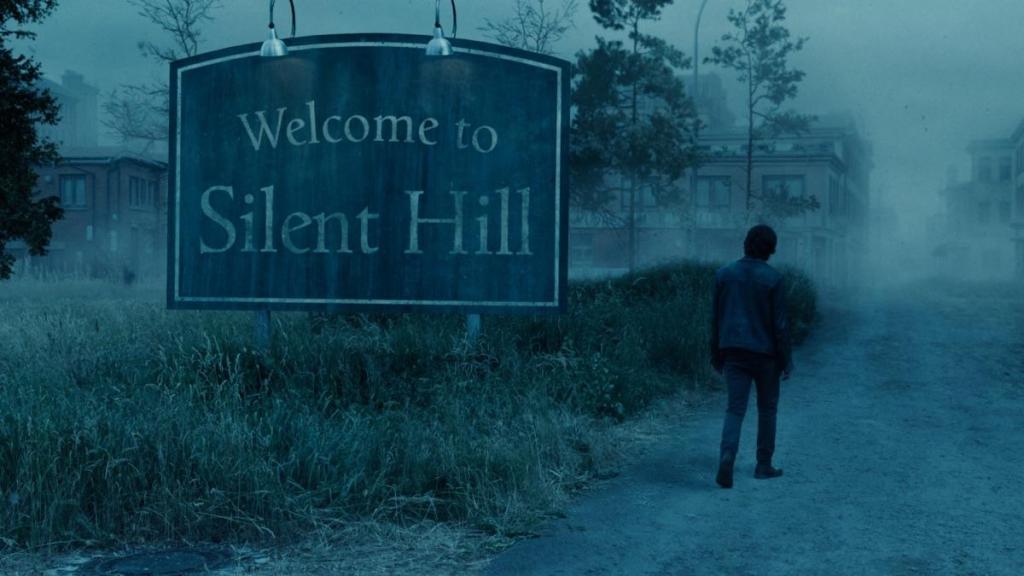
It’s been almost two weeks since I saw Return to Silent Hill on the big screen. I’ve been debating whether to write anything on it for a while. Part of the delay comes from being busy writing for other sites, but part of it is my less-than-hardcore relationship with the games. The most interesting thing about this movie is the oft-observed complaint that it misunderstands its source, a source I’m not overly familiar with. I did indeed play gaming’s most famous horror franchise growing up, but I can’t remember finishing any of them, let alone Silent Hill 2. And yes, I know it was recently remade, but I’m a film critic. Extra cash goes toward movie tickets, though there’s not much to begin with. This all seems to point towards an obvious conclusion: I should have dedicated my life to game criticism! Who can tell me what Polygon is paying?
Anyway, even if I’m unqualified to dive deep into all the ways director Christopher Gans butchers the game’s story, nearly anyone vaguely familiar with Silent Hill 2 will recognize that one rather important element seems to have been reinterpreted for the worse. As in the game, it’s revealed in the third act that protagonist James (a terrible Jeremy Irvine) killed his ailing lover Mary (a slightly less terrible Hannah Emily Anderson) by smothering her with a pillow. In the game, this act is motivated by sexual frustration and a desire to be freed from the role of caretaker. In contrast, it’s explained in the film that Mary is sick because of a bizarre Satan-worshipping plot involving her father, and that she explicitly asked James to take her life and end her suffering. Not only does this make James’ story much less complex, but it also paints him in a more sympathetic light, diluting the haunting, corrosive guilt at the story’s core.
Here’s where I’ll branch off a bit. The decision-making behind such a choice is indicative of many others. While it’s hard to imagine any version of Gane’s feeble reinterpretation being a definitive adaptation of the game’s story, there are so many bigger issues here that the film’s skill at adaptation seems better left unexamined. Many point to the merging of Maria, Angela, and Mary as a huge mistake, or lament how the film turns Eddie and Laura into gag characters. In my opinion, using one of the game’s joke endings and wrapping up Return to Silent Hill with James realizing a dog controls the story would have been preferred.
Where does one begin naming these flaws? Return to Silent Hill features miscast, wooden performances; unbearably corny dialogue and narration; ugly color grading; terrible makeup and wigs; and remarkably rubbery CGI that does indeed accurately reflect the uncanny valley of certain video games—just not the fuzzy, low-res PS2 veneer one might hope for. It’s the kind of disaster that used to play in theaters all the time, now relegated to digital releases in the age of streaming. You just don’t see failures like these with 50+ reviews on Rotten Tomatoes anymore.
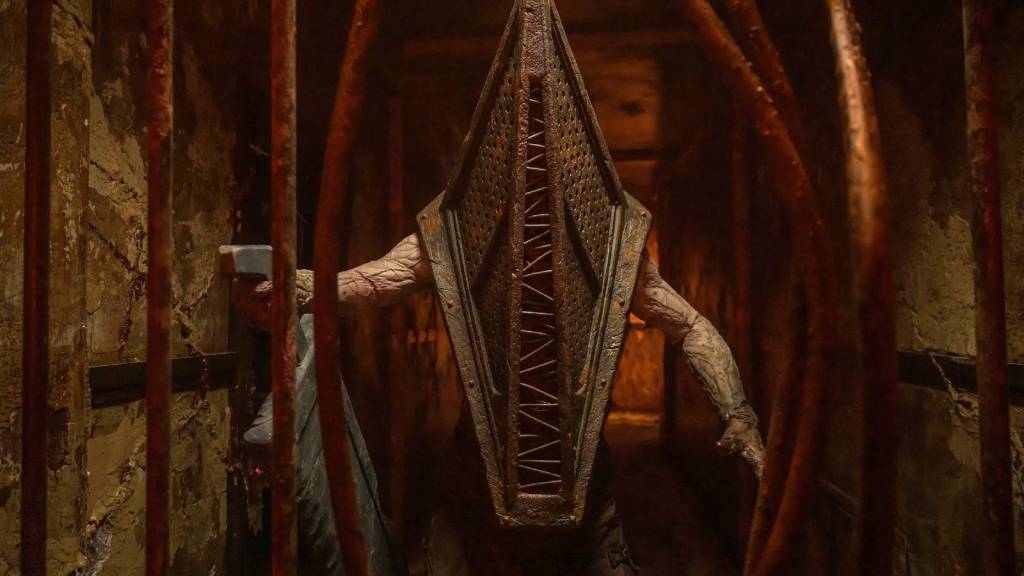
What’s even more bizarre is that this film is from a self-described fan of the games who had twenty years to polish his vision: Gans first brought the franchise to the silver screen back in 2006’s Silent Hill, an attempt that now looks masterful in comparison. I’m reminded of X-Men and the Dark Phoenix saga, where Simon Kinberg—writer of the dreadful X-Men: The Last Stand—was once again handed the reins 13 years later for Dark Phoenix, this time also promoted to director. Hate on that film all you want, but one thing Kinberg did get right(ish) was recognizing that the story was about Jean, not Wolverine, Charles, Cyclops, or anyone else. Dark Phoenix might be similarly slapdash visually and feature some bad wigs, but it understood the source material and even expanded on it, exploring how tempting callousness can be once one attains power, agency, and freedom from their trauma.
With Return, we have a movie that fundamentally alters its story for no immediately apparent reason except to reduce its own uniqueness, for the sake of doing something different. But the truth is that even if it didn’t, little would change in terms of watchability. Gans explores his surreal dream world with such banality and lack of imagination that the filmgoing experience itself begins to feel unreal. You are outright told that these monsters personify James’ psyche through cutaways to his therapist, and yet they couldn’t possibly feel less suggestive or mysterious. The movie also does nothing to hide that Maria looks exactly like Mary, yet seems to expect both James and the viewer to avoid drawing a connection. Even the ending fails to squeeze pathos from the tragic loop it seems to imply, both tonally and narratively unsure.
It is undeniable that adapting an 8-hour video game is an unenviable task, and combining settings, action beats, and characters to streamline the story is pretty much the only way filmmakers can do it without turning to television or creating a miniseries. Is there a way to play Silent Hill 2 on the big screen? Probably, but not from Gans. It seems every issue you can find in Return has a deeper problem behind it, pointing to a more fundamental issue. Which includes makeup, although the budget should probably bear that blame.
I’m not here to bash Gans, nor his directorial chops, and I can appreciate a movie so schlocky that it’s impossible to be bored. But taking Return to Silent Hill seriously is a fool’s errand, because the experience as a whole is one of the worst movies I’ve seen in quite some time, a genuine and total disaster on nearly every level. You can try to understand why certain choices were made or what the intent was, but in a film filled with nothing but decisions that range from questionable to ridiculous, this generosity seems pointless. 2-9-26

 Story Over Thought
Leave a comment