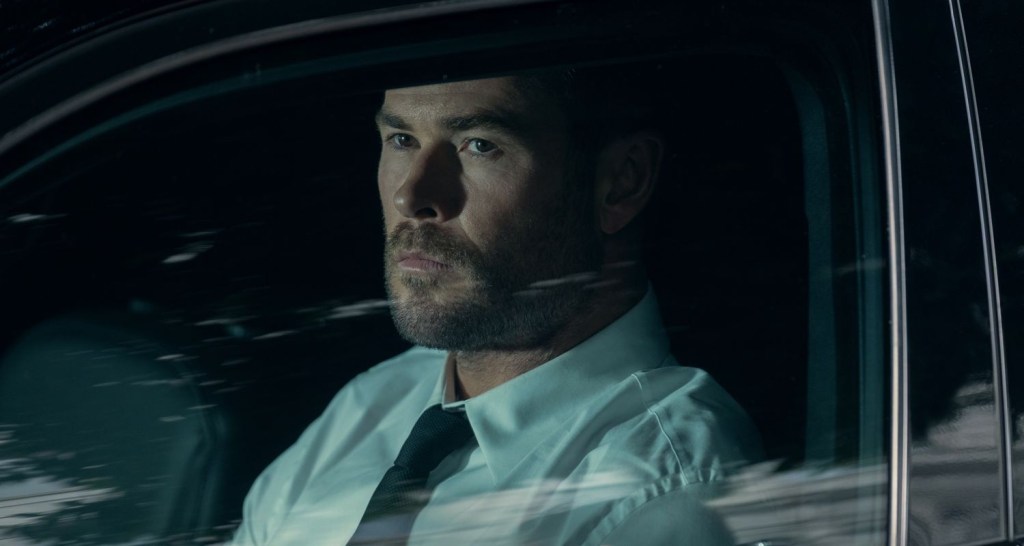
Bart Layton’s Crime 101 is kinda like Heat, guys. No, really. It’s got multiple protagonists, personal codes, lone-wolf thieves, and it’s set in the streets of Los Angeles. It has guns, too—and suits! Have I convinced anyone I know a thing or two about movies now?
Wearing influences on your sleeve isn’t inherently a bad thing. It’s funny how Layton’s film goes out of its way to name-drop two other neo-noirs (Bullitt and The Thomas Crown Affair, both starring Steve McQueen), even though the director shouldn’t feel compelled to prove his knowledge of the genre to anyone; there have been dozens of Mann riffs over the years, from The Dark Knight to the especially referential Den of Thieves. Maybe even The Raid 2, if you buy Jakarta as a reflection of its warriors’ psyches. Of course, not everyone comparing Crime 101 to Heat is doing so out of spite. They are quite similar.
Rather than being titled after the feeling of comeuppance breathing down your neck, Crime 101 is cleverly named after U.S. Route 101, the highway around which Chris Hemsworth’s thief Mike plans his robberies. The lengthy opening heist does a terrific job of establishing the game and its central players: awkward, brooding Mike; Mark Ruffalo in Collateral mode as the absentminded detective Lou; Halle Berry as Sharon, a focused but increasingly disillusioned insurance broker. One might think this triangle of dysfunction would be enough, but Layton keeps adding new pieces to his chess board, including psychotic wild card Ormon (Barry Keoghan, if you couldn’t guess), the imaginatively named fence, Money, and not one but two NPCs for Lou to monologue against: partner Tillman and ex-wife Angie. This is also a romance, because why not, and a big chunk of the film is spent exploring Mike’s budding relationship with Maya, a woman he falls for after she bends his fender.
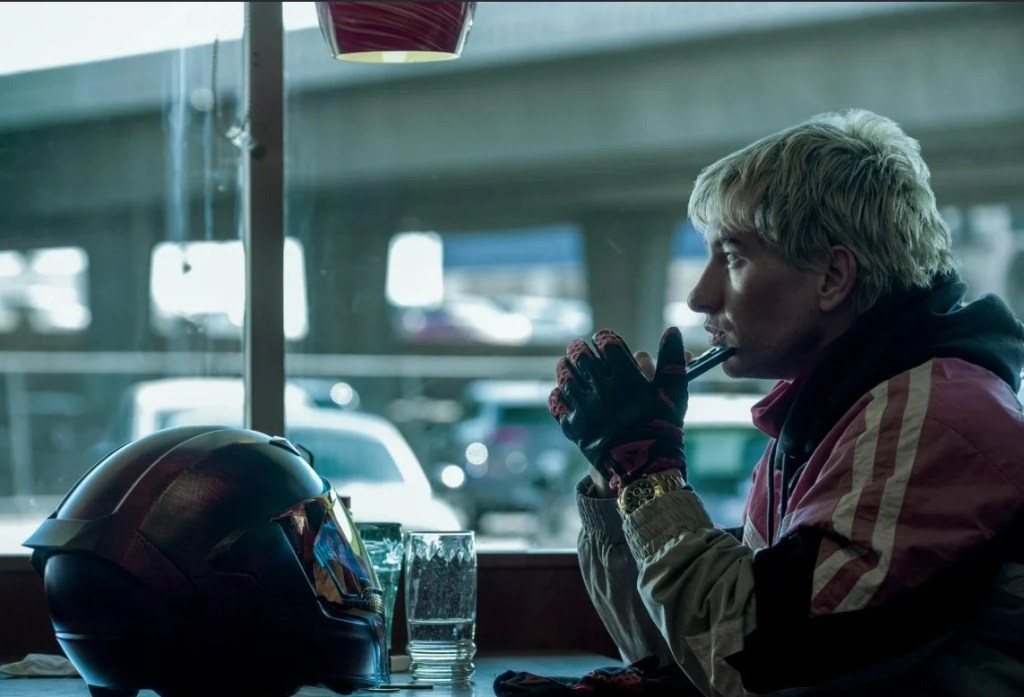
Stacking so many stories on top of each other both enriches and diminishes Layton’s crime epic. On the one hand, the hefty 140-minute runtime squeezes plenty of drama from mixing and matching its characters and their stories. It never really slows down, despite lacking considerably in both heists and action between the robberies that bookend the film (save for a mid-film car chase that rivals the claustrophobic fervor of the one in McQuarrie’s Jack Reacher).
On the other hand, such careful intertwinement of nearly every subplot makes the world of Crime 101 feel smaller. There is little question of whether these stories will cross over; only when. That isn’t inherently bad, either, but the film loses some of its intrigue halfway through (as well as the “when”) once we realize where things are heading. Little of Crime 101 and its crisscross structure feels organic, although I suppose determining whether a chance meeting at a yoga class feels contrived will be a matter of personal taste. But it will be hard to deny that the film—adapted from Don Winslow’s 2020 novella of the same name—is simply too long.
Layton’s film plays better when it’s aping Thief instead of Heat. Mike cumbrously asking Maya if she has kids, Sharon being chastised for her lack of expediency in closing a deal, and Ruffalo arguing with his ex about who’s “more beach” reveal a deadpan sense of humor that brings out the depth these A-minus listers have to offer. The director has assembled a stacked cast, and they feast on the script’s sharp dialogue and off-kilter tone. Crime 101 is at its best as a triptych character study, an impressive feat for any action film. Layton comes from a documentary background, and his interest in not only tropes but the people behind them is the film’s strength. When the script gets too self-serious, it’s humorous in a different way, swerving head-on into melodrama. The wafer-thin Maya lecturing Mike about how he’s a blank slate only gets a pass once.

Layton’s crime drama does have a few broader ideas on its mind. (Spoilers ahead, obviously.) In some sense, Crime 101 is a less mannered Crash, exploring how we all influence one another in ways we can’t imagine or will likely never realize. However, this is also a film about the personal codes of yore running into the brick wall that is modern life. Money sends Ormon on Mike’s jobs because the latter’s distaste for violence is quickly making him obsolete. Furthermore, Lou and Sharon’s tendencies to play their respective games straight and refuse to compromise only backfire: Sharon is passed over for promotions because of her advancing age, while Lou is pressured to abandon his theories and prolonged detective work and start marking cases as closed.
All three characters compromise by the end, but in ways that better their lives. Sharon plots with Mike to steal from her employer but ends up quitting instead and stepping out of the corporate rat race. Mike kills Ormon to save Lou, who, in turn, creates a false narrative that allows Mike to leave his life of crime in the rearview mirror, while painting Ormon as the thief that justifies his investigation. Crime 101 finds (potentially) happy endings for all three, an interesting choice that feels neither fully earned nor completely silly.
Crime 101 might be lifting liberally from Mann, but as with any good heist, at least there’s a careful amount of preparation and craft, and at least Layton understands what makes those films work. He is not afraid to faithfully recreate the antisocial loners, loopy cops, and sociopathic killers that make LA neo-noir special, updating and slotting them into the mid 2020s without skipping a beat. In a world with smartphones and dating apps, archetypes like Mike risk seeming sillier than ever. Crime 101 doesn’t quite pull off the perfect balance, but like the protagonist, it makes it out far more alive than dead. 2-14-26



 Story Over Thought
Leave a comment