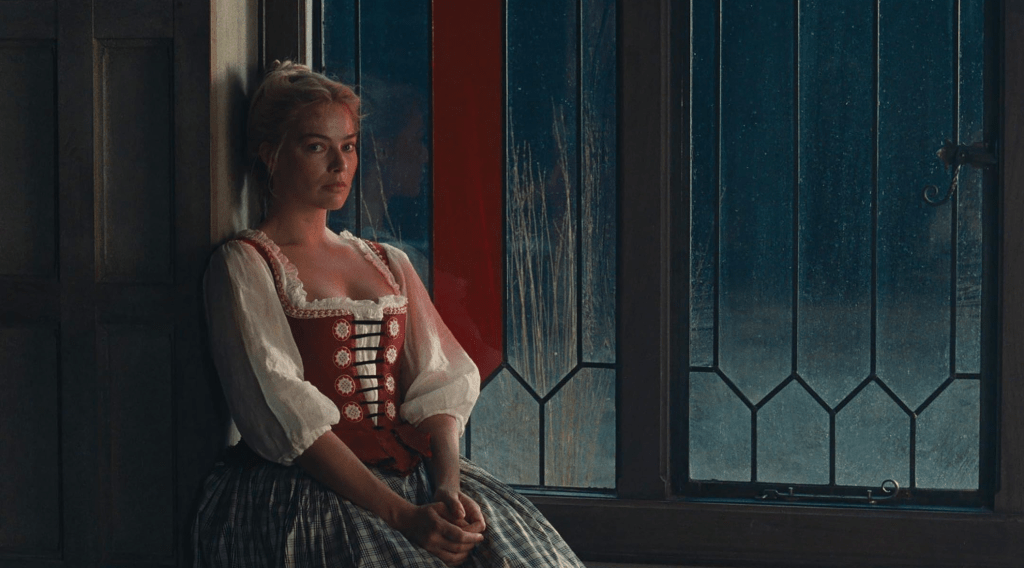
To my surprise, I mostly enjoyed Emerald Fennell’s “smooth-brained” Wuthering Heights. I find it extremely interesting that there are legions of supposed Heights purists who object to the classism and racial aspect being missing from Fennell’s version, when almost no one cared about Eggers’ Nosferatu doing the exact same thing. And for every person saying the bite and vicious anger of the story are gone, there are an equal number giving single stars because there wasn’t enough raucous sex. I guess you can’t please everyone.
To be fair, Fennell is clearly trying to play it both ways: tell a “traditional” love story while leaving the novel’s themes of trauma bonding, obsession, revenge, and cruelty present but bubbling beneath the surface. She has stated that this reflects Brontë and that the book’s lack of consensus is deliberate, because if something can’t be agreed on, that becomes part of understanding it. But while many seem upset that the film focuses on the “love,” it is worth asking how anyone could read the story in the first place and come away with such an interpretation, as Fennell did at fourteen. Critics are attacking the tone of Fennell’s film, but she has largely stayed accurate to the events, which reflect ideas already present.
While controversial, I actually think the scene with BDSM replacing outright abuse is what makes her interpretation interesting. The vengeful, selfish power that Heathcliff displays in the second half of the film only increases Catherine’s attraction to him because, well, that is actually what attracts many women. When she says that she loves Heathcliff because she “is” Heathcliff, we realize she is only compelled to indulge in her desires once her cruelty and callousness are reflected back at her, not when he is the lowly pet that takes lashings in her name, or the lovesick one that promises to kill her husband should she so wish. Heathcliff displays nothing remotely approximating affection towards Isabella, but will that actually prevent certain viewers from pining over Elordi’s hunky take?
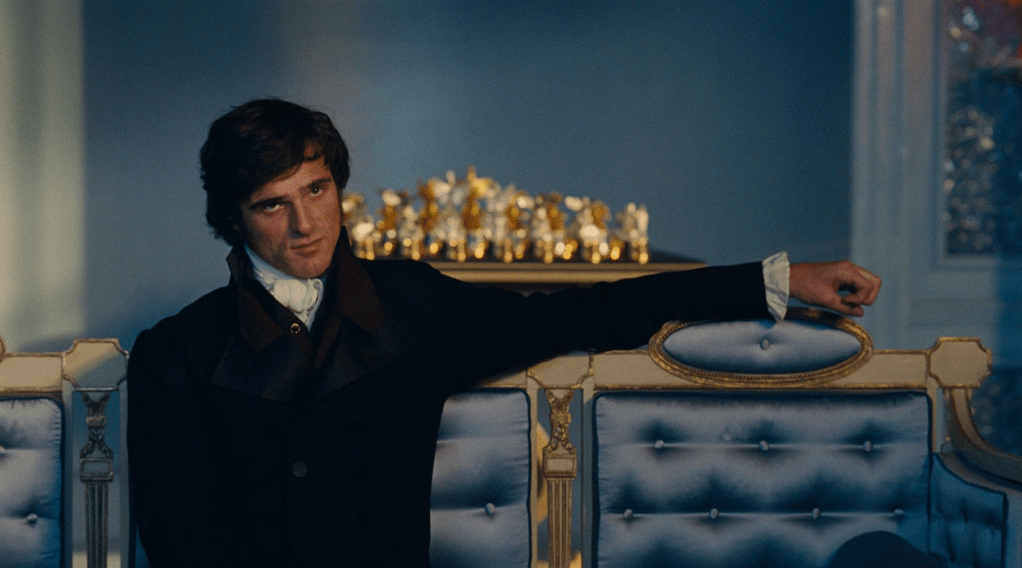
Robbie’s version is still monstrous, though it is lessened and softened. Handmaid Nelly does indeed goad her into confessing that marriage to Heathcliff is impossible while he is listening, burn his letters, and misinterpret Catherine’s illness as faked, but it all stems from being dehumanized in the first place. When Isabella, speaking of Romeo and Juliet, contends that the nurse was the real villain all along, it foreshadows how some will see the ending, but does not endorse it. And Heathcliff’s villainy is not vengeance but a misplaced attempt to make his “owner” jealous and finally reciprocate his attraction. The wounds on his back are compared with the corset Catherine wears; repression and obsession have warped their admittedly singular relationship.
Even the opening scene reminds us that if we are here to witness a love story, we are here to witness death: the death of what some may consider “actual” love, replaced by frequent but fleeting and restrained acts of sexual gratification. This theme is later brought full circle in the miscarriage of Catherine’s child, a character who represents redemption and healing in the second half of the book. The film fumbles the ball in the final fifteen minutes, becoming the quotation-marked version Fennell envisioned when a teenager, sappy and romanticized, and Charli XCX’s score, while an interesting decision on paper, modernizes the story in an extremely garish way. Those are only two of the many decisions to opine as silly, such as Catherine’s flesh-covered room or the big and brash costume design (and that earring).
But while it’s possible to ignore all the cheating, abuse, and tragedy and try to see the story as one of unrequited love (as many of the women did at my screening, openly weeping once the credits rolled), Fennell has demonstrated rather persuasively that this “smooth-brained” interpretation was always there if you wanted it to be, likely no small part of its enduring appeal. 2-16-25



 Story Over Thought
Leave a comment