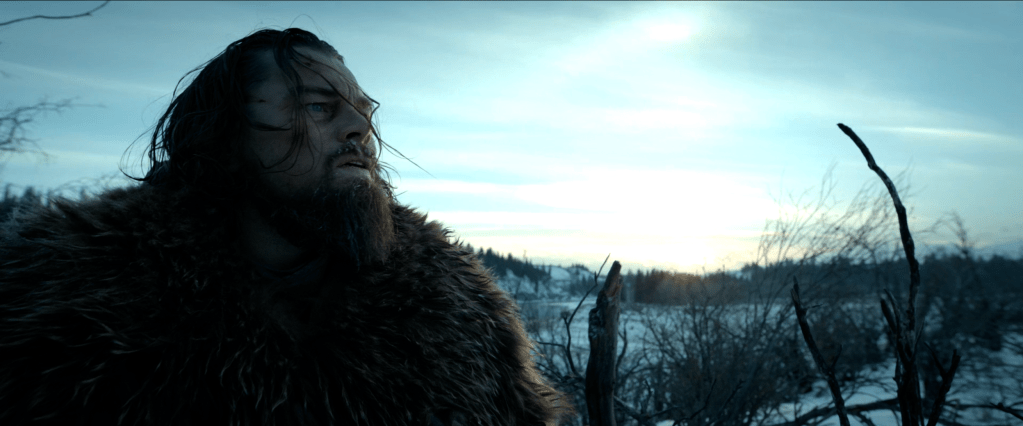
The Revenant has been one of my favorite movies for a long, long time. I remember reading a review that called it the most hardcore arthouse movie ever made, so I guess that kind of sums up why I fell in love with it when I was like sixteen or so. The film is the closest answer we have to the question: what if Tarkovsky made Man vs. Wild?
Now that it is back in theaters for its tenth anniversary (I caught a screening a few days ago), there’s been quite a bit of retrospection on the film that earned renowned Mexican filmmaker Alejandro G. Iñárritu his second consecutive Best Director Oscar. I wouldn’t say The Revenant has a massive fanbase, as far as epic western action dramas go, but some of that is simply because Iñárritu virtually disappeared from Hollywood. (He would follow up with the Spanish psychological black comedy-drama Bardo in 2022, which polarized critics.) People who appreciate this movie generally fall into two camps: those who like the artsy quality and those who dig the survival element. Though my interest sways more towards the former, I wouldn’t take either away. While the film is very rugged and often quite vicious, it is equally reflective, poetic, and dreamlike.
See the scene where DiCaprio fogs up the camera lens with his harsh breathing, which Iñárritu uses to lead into a shot of the clouded sky. Shooting with natural light, braving the elements, all of that stuff is pretty cool (some of it very cool, like cauterizing your own throat with gunpowder). But the film wouldn’t be as special without Iñárritu‘s eye for beauty, the tender father/son emotional core, or the gorgeous score by Ryuichi Sakamoto (rest in peace). I suppose it’s a little bit like The Tree of Life, where the kid playing in the dirt is just as important to the story as the beginning of the universe itself.
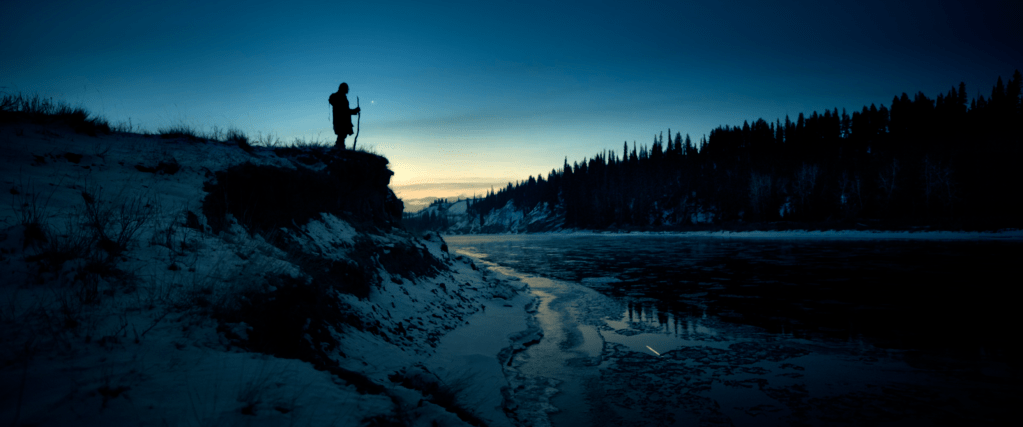
That balance, that high and low, is reflected in the themes as well. There are a lot of takes that the film is secretly about settlers, spirituality, nature, religion, or this or that. The Revenant is a survival thriller, and that part is very simple: as long as you have a breath to breathe, there’s a reason to keep going. But the mythic and metaphorical elements, concerning vengeance, savagery, and the cycles of violence, are much more sprawling and richer. Most of it comes back to what it actually means to be savage, and how being wronged is often a matter of perspective. The most graphic portrayal of violence that we see in the film is from a “dumb” animal simply trying to protect its cubs. The human conflict, too, is a giant cycle of misunderstanding and misdirected vengeance between the Arika and the American trappers, while the pesky French are the real villains.
Contrast is also a big part of The Revenant: Glass is in touch with nature and spirituality (through his son), whereas Fitzgerald is literally pissing on the earth when we first meet him. Rather than surviving by exploiting others, Glass reveres the earth. He hunts to eat, he wears the skin of the bear he kills, and he sleeps in the carcass of his dead horse. He also adopts Hikuc’s philosophy that revenge is best left to the creator. Glass experiences a “rebirth” three times: once from a grave, another from a sweat lodge, and finally from inside of an actual animal. Though capable of great destruction, the world also nourishes and provides. Violence is not inherently unnatural, as seen when Glass chooses to kill an officer to defend his son, though his journey is understanding that an act of revenge might be.
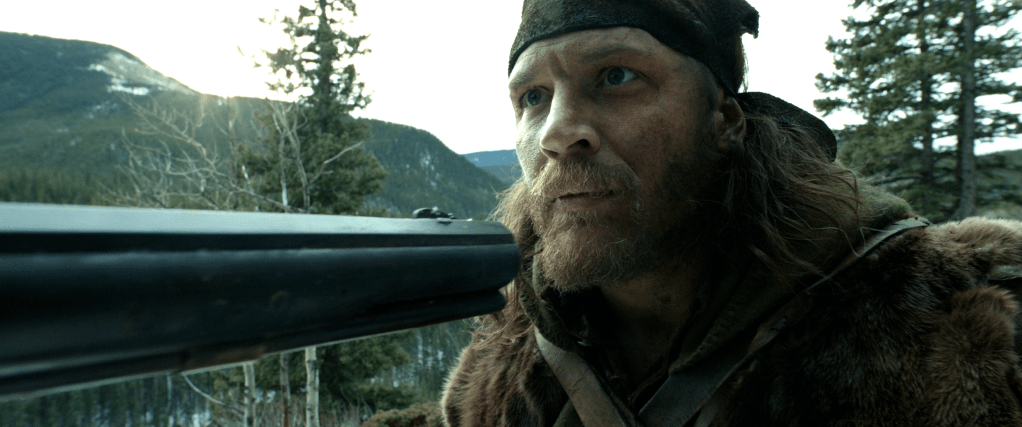
I think The Revenant is a masterpiece, though a flawed one. Even I have to admit you need to be in the right headspace to truly enjoy it. I don’t think every film needs humor or momentum, but the film does ask you to take a simple and very long tale of vengeance extremely seriously. Thank God for Tom Hardy, who deserves all the credit in the world for bringing some black humor to the table in a performance that is equally despicable as it is hilarious. It’s more fun than DiCaprio’s but also the perfect mirror to what is, by necessity, a largely silent and extremely physical role.
Iñárritu has given us truly phenomenal works of art for almost three decades, and it would be an understatement to say I eagerly await his collaboration with Tom Cruise later this year on Digger, his first English-language film since The Revenant. In the meantime, this is the perfect opportunity to revisit his uncompromising survival epic, a prime example of relentless endurance both on and off camera, and a beautifully brutal expression of the magical realism that has defined Iñárritu’s career. 03-18-26



 Story Over Thought
Leave a comment